

Winter is Istanbul's quiet season: queues are the shortest of the year, hotels cost less outside the end-of-year holidays, and the city is visited indoors, between museums, hammams and tea houses. It is cool, damp and often grey, but the clear days, when low light catches the domes, are among the most beautiful. This guide says what to expect from December to February and how to plan a stay. To compare all the seasons, see our guide to the best time to visit Istanbul. ## Weather from December to February 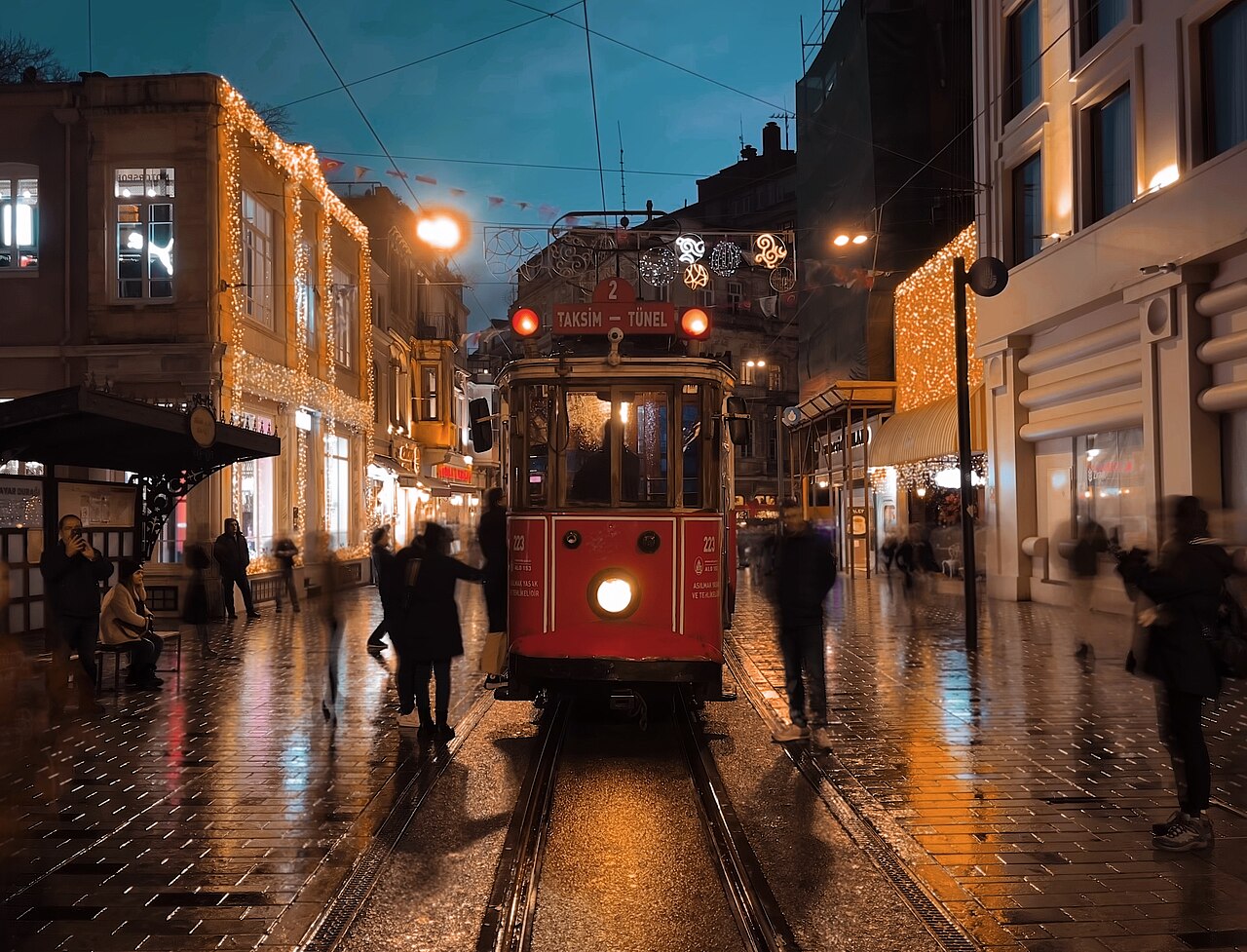 - **Temperatures**: around 10 °C at most during the day, and a few degrees at night. The north wind (poyraz) makes the air colder on the Bosphorus and on the quays. - **Rain**: it falls about fifteen days a month in December and January. Bring a waterproof and shoes that cope with damp: the cobbled streets of Sultanahmet and Balat are slippery. - **Snow**: it falls some winters, rarely for more than a few days, and the city is then paralysed more than beautified. It cannot be planned for: check the forecast a few days before leaving. - **Short days**: the sun sets around 5 pm near the solstice. Start outdoor visits early. Dress in layers: a windproof or waterproof jacket, a sweater, a scarf. In mosques, shoes come off and the floor is carpeted: bring thick socks. ## Indoor visits Winter is the right season for the monuments with long queues the rest of the year. Always check opening hours, which are often shorter in winter. - **The great monuments**: Hagia Sophia, the Blue Mosque, the Topkapı Palace and the Basilica Cistern are quieter than in summer. At Topkapı part of the visit is outdoors: plan for a dry day. - **Museums**: Archaeological Museums, Pera Museum, Istanbul Modern, Sakıp Sabancı Museum or the Rahmi M. Koç Museum, the best suited to families. - **Bazaars**: the Grand Bazaar and the Spice Bazaar are covered, but the walk between them is outdoors. - **Hammams**: a hot bath is the pleasure of winter, see our guide to the best hammams in Istanbul. - **A whirling dervish show**: see whirling dervishes in Istanbul. 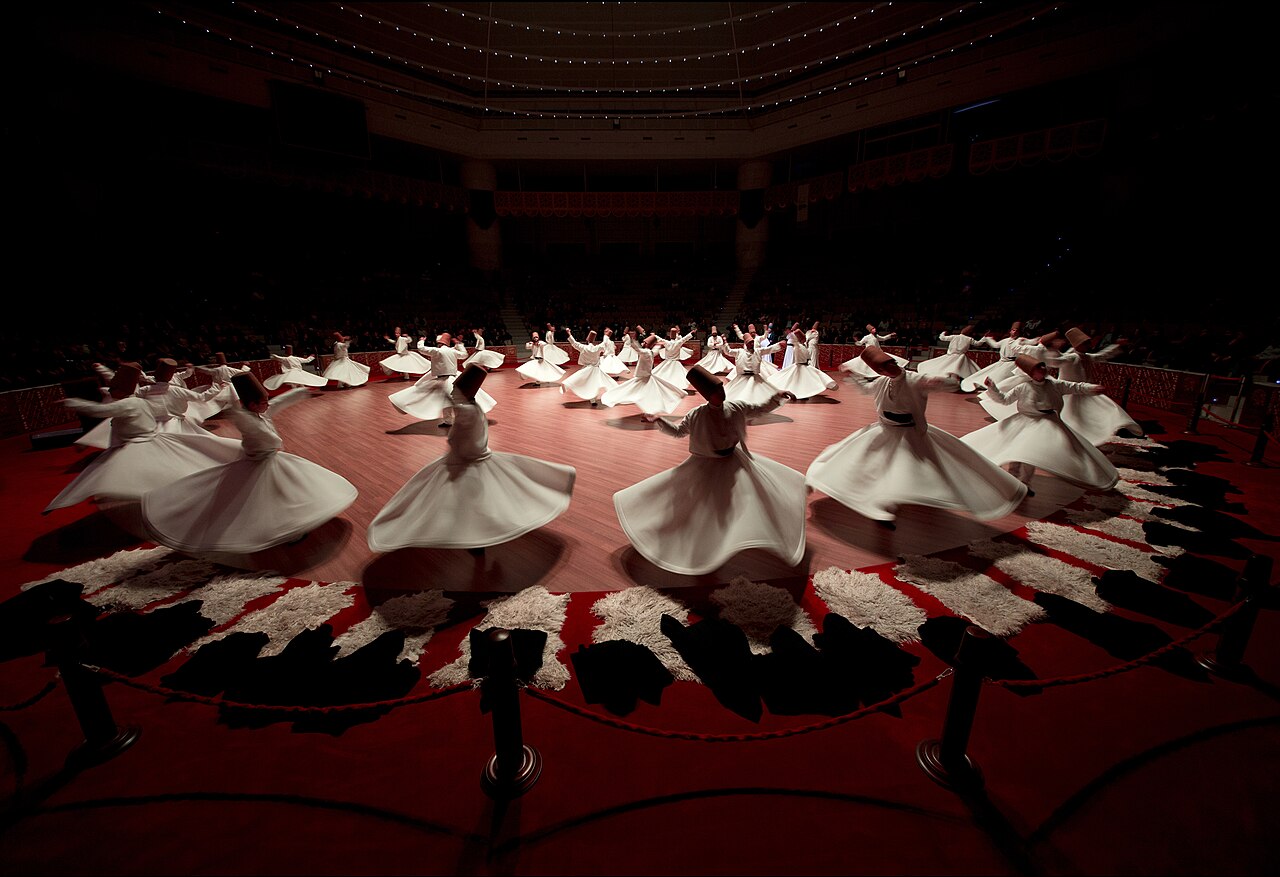 For more rainy-day ideas, our guide to what to do in Istanbul when it rains is complementary, and Istanbul with children lists covered visits for families. ## The Bosphorus in winter 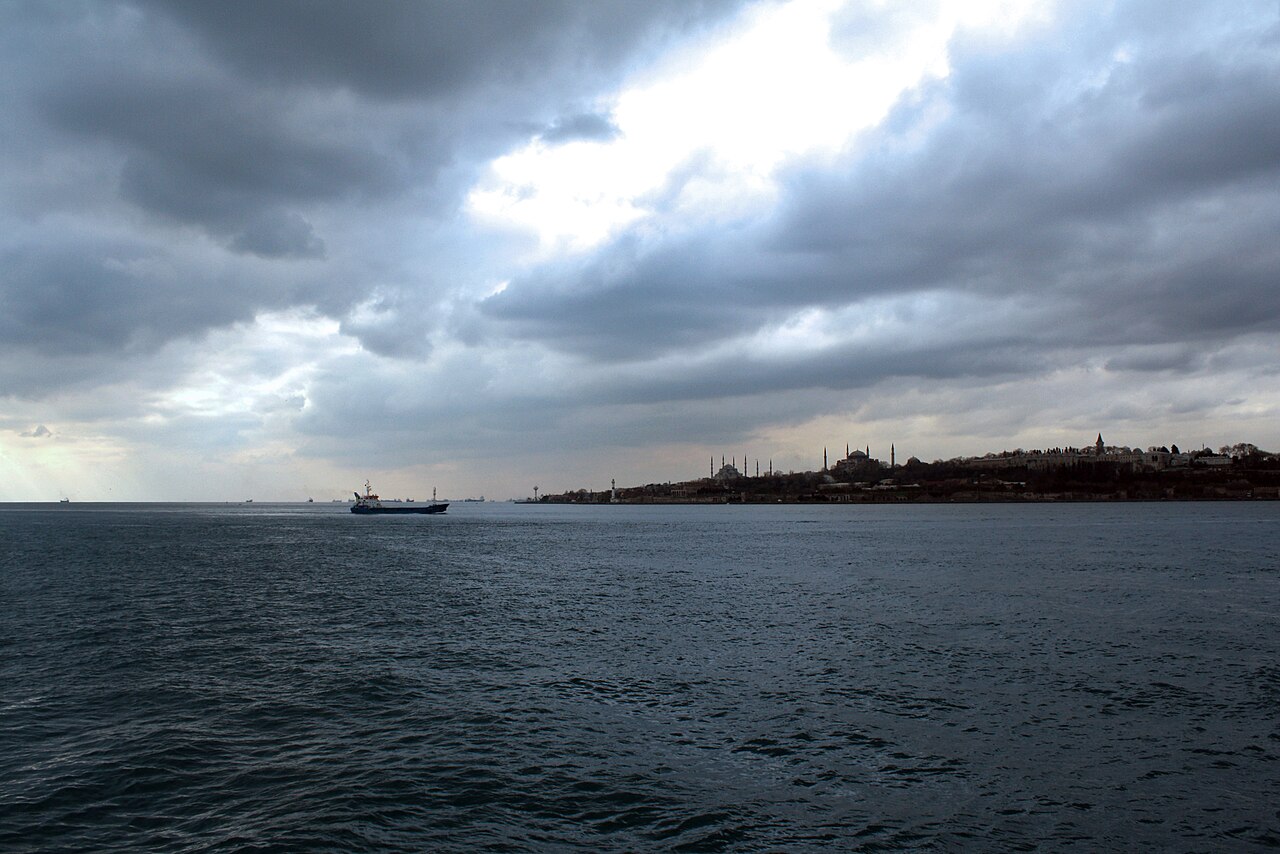 Boats keep running, including the public ferries (see transport in Istanbul), and the Bosphorus cruise keeps its appeal: the shores are clearer, without crowds, and the palaces and yalı are easier to see without the foliage. Tourist cruises are fewer than in summer and schedules change; see the page on the Bosphorus cruise. On stormy or foggy days crossings can be cancelled or delayed. ## Winter food and drink - **Boza** and **salep**, the hot drinks of winter, sold by ice-cream parlours and cafés. - **Roasted chestnuts** (kestane) and **corn** sold in the street. - **Seasonal fish**, in particular anchovy (hamsi) and other winter fish, in fish restaurants. - **Soups**: lentil, tripe (işkembe), morning soups, served in the lokanta. The guide to what to eat in Istanbul details these specialities, and baklava, Turkish delight and pastries covers treats for warming up. ## Winter festivities and events - **Christmas and New Year**: Istanbul is not a Christmas city, but New Year is celebrated in the streets, restaurants and hotels, and Christmas masses are held in the active churches: see Christmas and New Year in Istanbul. Hotels cost more around 31 December. - **Ramadan 2027**: according to the Diyanet calendar, it starts on Monday 8 February 2027 and ends on Monday 8 March. The end of winter is therefore affected: changed hours and iftar in the evening, see Ramadan in Istanbul. - **On 1 January**, some monuments and museums have special hours: check. ## Where to sleep and what to budget Hotel prices are lower from January to March than in high season, except around New Year. A hotel with good heating and a room on the Bosphorus or the Golden Horn makes all the difference: see where to stay in Istanbul and the travel budget for Istanbul. For evenings out, see nightlife in Istanbul. ## A typical cold-weather day 1. **Morning**: Hagia Sophia and the Basilica Cistern at opening time, before the groups. 2. **Lunch**: a soup or hot dish in a lokanta. 3. **Afternoon**: Archaeological Museums or Topkapı Palace, depending on the weather. 4. **Late afternoon**: hammam or tea house. 5. **Evening**: dinner in a lively district such as Beyoğlu or Kadıköy. For full programmes, see Istanbul in 2 days and Istanbul in 3 days.
See in this guide


What next?
More like this

Plan your visit
